The Grocery Delivery Evolution: The Rise of Online Food Packaging Solutions
The rise of grocery delivery services has fundamentally altered consumer access to food. This change has driven innovation in digital food packaging technologies, addressing growing needs for efficiency and eco-consciousness. As organizations work to optimize their processes, they must also contend with obstacles concerning food quality and supply chain management. The increasing focus on sustainable alternatives raises questions about what lies ahead for packaging in this ever-shifting market. How are industry leaders balancing these conflicting objectives?
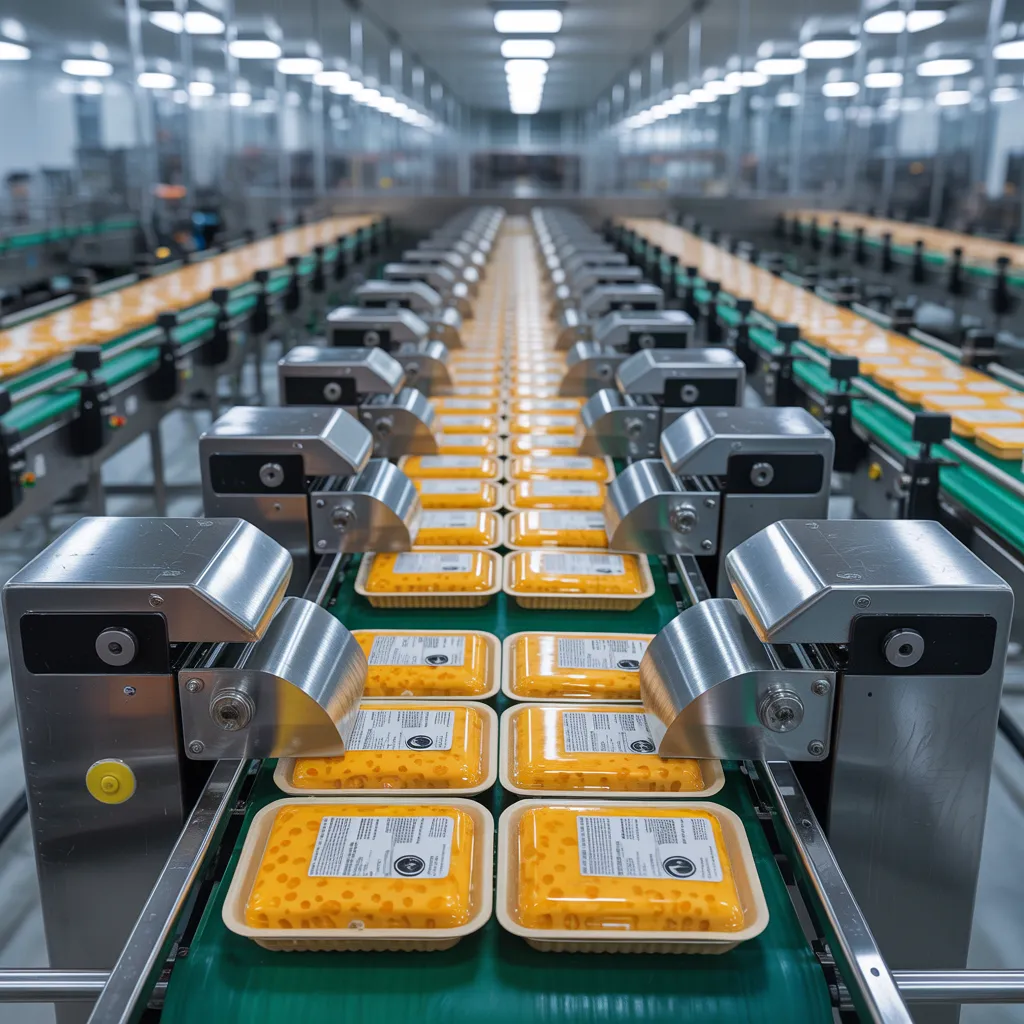
How Grocery Delivery Services Have Adapted to Fulfill Consumer Demands
With consumers growing more focused on convenience in their everyday routines, grocery delivery services have evolved considerably to meet these changing demands. Initially limited to basic items, these solutions now feature a broad variety of products, encompassing fresh produce, household necessities, and specialty products. The incorporation of technology has reshaped the modern shopping experience, allowing customers to place orders through mobile applications and websites with tailored suggestions derived from individual preferences and buying history.
In addition, the emergence of subscription models has established a new level of accessibility, permitting consumers to arrange regular deliveries aligned with their preferences. Numerous services now deliver real-time tracking, guaranteeing transparency and enhancing customer satisfaction. Also, partnerships with nearby farms and vendors have widened the range and freshness of available items, attracting health-conscious consumers. Altogether, grocery delivery services consistently innovate, aiming to provide effective and hassle-free solutions that cater to the busy lifestyles of modern consumers.
Key Players in Online Food Packaging Solutions
The online food packaging solutions landscape is defined by multiple leading organizations dedicated to improving the online grocery delivery experience. Organizations including Packsize and Eco-Products are dedicated to developing sustainable packaging options that limit waste while preserving product integrity. Meanwhile, technology-driven firms like Smart Packaging Solutions employ advanced materials to secure the freshness and safety of products in transit.
Leading grocery conglomerates, such as Amazon Fresh and Walmart, have also entered the packaging arena by developing custom solutions optimized for their supply chain systems. These players prioritize efficiency, employing automated technologies to optimize packaging processes and lower operational costs. Joint initiatives between packaging manufacturers, supply chain providers, and grocery chains have also accelerated developments in this industry.
With competition growing fiercer, these leading organizations are transforming packaging expectations but also contributing to a more sustainable and efficient grocery delivery ecosystem.
What Are the Key Challenges Facing the Grocery Delivery Industry?
Hurdles facing the grocery delivery market are numerous, impacting both service providers and end users. One critical difficulty is the operational complexity involved in managing inventory, routing, and delivery timelines. Late deliveries can cause customer dissatisfaction, particularly when fresh goods are part of the order. Moreover, the increasing expenses of fuel and workforce pressures profit margins, forcing companies to reassess their pricing models.
Moreover, preserving product quality throughout the delivery process continues to be an ongoing challenge. Poor packaging practices can cause deterioration or harm to products, which only adds to the complexity of managing customer satisfaction. The industry also grapples with competition from traditional grocery stores adapting their services to include delivery options, creating a saturated market.
In conclusion, protecting customer data remains a critical concern, as security violations can damage trust and long-term loyalty. These factors collectively create an environment where grocery delivery companies need to adapt and innovate to keep their operations viable while satisfying consumer needs.
Eco-Friendly Packaging Advancements in Grocery Delivery
The grocery delivery industry is placing greater emphasis on environmentally conscious packaging solutions to combat ecological issues. By utilizing eco-friendly materials, organizations work to lessen their use of plastic and cut down on waste. This change not only helps the environment but also meets growing consumer expectations for more environmentally conscious methods.
Environmentally Conscious Materials Use
As more consumers make sustainability a priority, grocery delivery services have embraced eco-friendly materials for packaging innovations. Eco-conscious biodegradable materials, such as recycled paper and plant-based bioplastics, are now commonly utilized to reduce their environmental footprint. These sustainable options not only help minimize landfill contributions but also align with consumers' values, encouraging lasting brand loyalty. Additionally, companies are developing reusable packaging initiatives that incentivize customers to return their packaging, further enhancing their commitment to sustainability. Emerging technologies such as water-soluble films and edible packaging are also gaining traction, demonstrating the sector's commitment to lowering its carbon footprint. By integrating these eco-friendly materials, grocery delivery services are not only responding to evolving consumer expectations but also playing a vital role in building a greener future for food delivery.
Reducing Plastic Waste Impact
Although many shoppers value the convenience of grocery delivery, the plastic complete article pollution created by conventional packaging approaches has raised significant environmental concerns. In reaction to this issue, forward-thinking businesses are focusing on sustainable packaging solutions that minimize plastic usage. Sustainable materials, like bio-based plastics and repurposed paper, are becoming increasingly popular as practical substitutes. Additionally, companies are exploring reusable packaging systems, motivating shoppers to bring back packaging for sanitization and reuse. Such efforts not only decrease plastic pollution but also promote customer understanding of ecological consequences. Through embracing sustainable strategies, the grocery delivery sector is working to balance convenience with sustainability. This shift reflects a growing commitment to reducing plastic's ecological footprint, thereby advancing a greener tomorrow for food logistics.
The Influence of Grocery Delivery on Packaging Choices
Given the increasing popularity of grocery delivery services, businesses are reconsidering their packaging decisions to address the needs of modern consumers. This growing emphasis on convenience has led retailers to embrace new materials that ensure product integrity while improving the customer experience. Packaging must now withstand the rigors of transportation and preserve product quality throughout extended delivery periods.
Sustainability has become a significant consideration, as consumers prefer eco-friendly options. Numerous businesses are transitioning to biodegradable or recyclable packaging, aligning their practices with environmentally conscious consumer values. Furthermore, packaging concepts are being reimagined to reduce environmental impact, incorporating smaller formats and reusable containers.
The need for straightforward labeling and accessible designs has grown considerably, addressing the needs of consumers who emphasize accessibility. As the grocery delivery sector keeps growing, the dynamic between customer demands and packaging innovations will define the industry's evolving direction, underscoring the rising relevance of both practicality and sustainability in food packaging.
Upcoming Trends in Grocery Delivery and Packaging Solutions
As the grocery delivery sector continues to develop, advancements in sustainable packaging are growing more critical. Moreover, cutting-edge delivery technologies are expected to boost efficiency and elevate customer satisfaction. Combined, these developments are set to transform the way consumers obtain their groceries while tackling environmental challenges.
Sustainable Packaging Innovations
Eco-friendly packaging advancements are transforming the world of grocery delivery, reflecting a growing commitment to environmental responsibility. Companies are increasingly adopting biodegradable materials, reducing plastic waste and enhancing recyclability. This shift includes the use of compostable bags and containers made from plant-based materials, which lower the carbon emissions connected to standard packaging approaches. Additionally, reusable packaging systems are gaining traction, enabling consumers to bring back containers for sanitization and reuse, thereby promoting a circular economy. Breakthroughs including edible packaging and simplified designs additionally advance sustainability initiatives. As consumer awareness heightens, brands that prioritize eco-friendly packaging not only differentiate themselves in a competitive market but also cater to a conscious consumer base actively seeking sustainable alternatives.
Intelligent Delivery Solutions
Advanced smart delivery technologies are reshaping the world of grocery delivery, offering improved efficiency and greater convenience for shoppers. Automated systems, such as drones and autonomous vehicles, are reducing delivery times while minimizing human labor costs. Real-time tracking applications enable customers to monitor their orders, fostering transparency and trust. Moreover, intelligent algorithms refine delivery routes by analyzing traffic trends and weather variables, securing punctual arrivals. Integration of artificial intelligence allows for personalized recommendations, enhancing the shopping experience. Moreover, smart packaging solutions equipped with sensors can monitor product freshness, alerting consumers to any issues before consumption. As these innovations advance, they stand to reshape the future of grocery delivery, rendering it quicker, more intelligent, and dependable.
Cases of Effective Grocery Packaging Innovations
While consumers increasingly prioritize eco-friendly options and convenience, the grocery packaging industry has adapted to address these needs with numerous groundbreaking developments. One notable example is the adoption of eco-friendly compostable materials, which break down organically, decreasing the burden on landfills. Organizations like FreshDirect have implemented eco-friendly bags designed to attract sustainability-minded customers.
Additionally, reusable packaging has gained momentum, as organizations like Loop deliver a circular refill system, minimizing single-use plastics. Intelligent packaging solutions, embedding QR codes and NFC chips, improve the consumer experience by offering comprehensive product details and supporting responsible recycling efforts.
Moreover, vacuum-sealed packaging prolongs shelf life, cutting down on food waste while preserving quality. Companies like Blue Apron use this approach to ship ingredients with maximum efficiency. These developments not only satisfy consumer expectations but also complement sustainability initiatives, showcasing the grocery industry's commitment to responsible packaging solutions across an ever-expanding digital marketplace.
Questions We Often Receive
Which Types of Products Work Best for Grocery Delivery?
Perishable goods like fruits, vegetables, dairy, and meats are best suited for grocery delivery. In addition, non-perishables such as canned goods, dry staples, and frozen foods also perform well, guaranteeing a comprehensive variety for shoppers.
How Do Grocery Delivery Companies Deal With Perishable Items?
Online grocery providers make use of specialized insulated packaging and climate-controlled conditions to maintain the freshness of perishable items. They focus on timely delivery and frequently use refrigerated vehicles to ensure optimal conditions are maintained until items arrive at the customer.
What Are Typical Delivery Timeframes for Grocery Orders?
Standard delivery schedules for grocery orders generally span one to two hours for express options, while conventional deliveries might require up to 24 hours. Customers often select preferred time slots during checkout for convenience.
What Fees Are Associated With Grocery Delivery Services?
That's correct, online grocery services often include charges like service fees, delivery charges, or minimum order requirements. These fees differ between providers and can be affected by factors like delivery location and order size.
How Is Customer Data Used in Grocery Delivery Services?
Consumer data in grocery delivery services is employed to personalize shopping experiences, streamline inventory control, and enhance marketing strategies. This insight helps service providers predict trends, elevate the overall customer experience, and optimize the operational workflow within delivery logistics.